


The author, the algorithm and the end of literary struggle
The author, the algorithm and the end of literary struggle

Sean ThomasTue, July 21, 2026 at 1:26 PM UTC
0
AI not only writes books, it also ‘reads’ them, becoming both author and audience in a loop that can reward works with scant human input - Cheng Xin/Getty
First, a true story, written by me. As a young man in my twenties, I was quite desperate to publish a novel. I must have suffered a score of rejections. In my early thirties, I finally landed a deal, but it didn’t exactly go to plan.
Like every young author I half expected the world to faint away in admiration at my debut opus. In reality? I got four reviews, three tepid, one dreadful; otherwise I was met with total silence.
Things got worse. A few months later, I received my first royalty cheque. This should have been a golden moment, a kind of redemption, but the cheque was for nought pounds, nought pence. Literally: zero. I think the company computer couldn’t believe a writer could sell no copies at all, so it sent me a cheque anyway: for nothing.
It was, to say the least, a bitter moment, albeit tinged with tragicomedy. I laughed at myself, and chucked the cheque in a bin. And, happily, I later went on to have No 1 bestsellers and all that.
But here’s the twist. These days I wouldn’t have to go through any of this – the writing, the rejections, the criticism and failures – and I wonder if, in future, anyone else will bother. Why? Because these days artificial intelligence (AI) will do the publishing for you, in mere hours, no questions asked. On top of that, it will increasingly do the writing. And, in an evolution so surreal and exquisitely ironic it would grace a novel much better than my debut, the AIs will also do the reading.
It sounds mad but it is entirely true.
Consider, first, the publishing. Anyone on earth with a bank account can upload a manuscript to Amazon’s Kindle Direct Publishing – free, no questions asked – and the book is typically on sale worldwide within 72 hours. For years this produced a steady 100,000 new ebooks a month. Then, in November 2022, ChatGPT was released, and the numbers exploded.
By late 2025 Amazon was absorbing more than 300,000 new titles a month, and in January this year Imke Reimers and Joel Waldfogel, two US economists, ran AI-detection software across a mighty sample of them. Machine-written texts are now estimated to constitute more than half of all new books appearing on Amazon, the largest bookstore in human history.
You can gauge the scale of the problem from the fact that Amazon has introduced a rule forbidding “authors” from publishing more than 10 books per week, which really would have put the kibosh on James Joyce.
So who writes these texts? Increasingly, no one. In Cape Town, a romance producer calling herself Coral Hart recently “wrote” a novel during a 45-minute video call with a journalist – Hart supplied the outline, the machine supplied the prose. She published more than 200 such books in 2025, under 21 pen names, selling about 50,000 copies for a six-figure income.
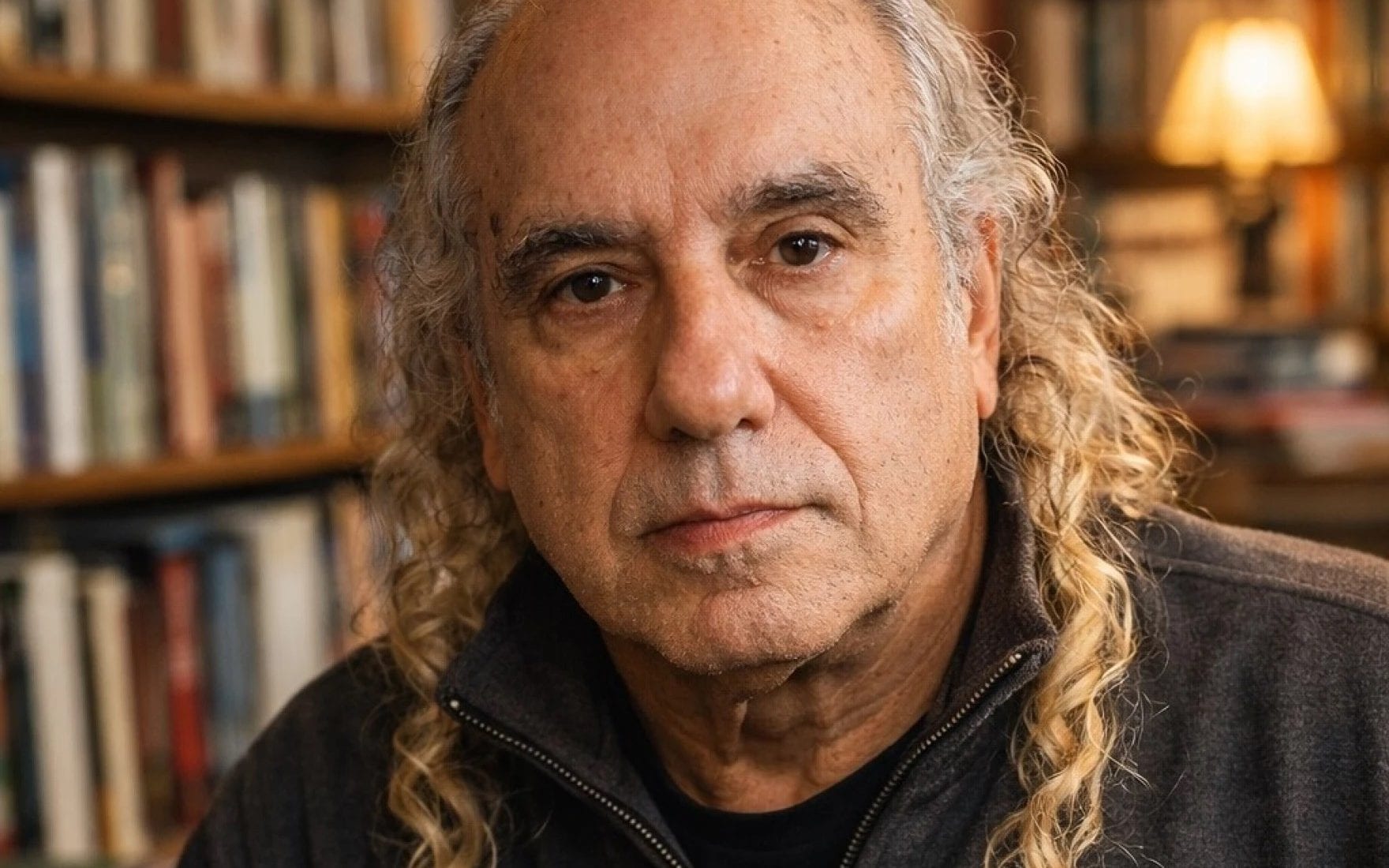
Bill Johns from Maryland is a prolific AI-assisted author after turning to ‘writing’ in retirement
In Maryland, meanwhile, Bill Johns, a bored 70-year-old retiree, tracked down by Kashmir Hill, a New York Times reporter, spent $20 on ChatGPT and has since published 445 books, on hackers, bridges, booze, and Chesapeake Bay, clearing what he cheerfully calls “bar money” (though it is a tidy sum).
The method he uses is taught in thousands of TikTok tutorials: feed a chapter outline to one of the better chatbots, such as Claude AI, and repeat until completion. Then conjure a cover with an image generator, like Midjourney, upload it with a click, price it at £2.99, and collect your 70 per cent royalty. It can be done between breakfast and lunch.
The very latest evolution, on the writing side, is bots writing books with barely any human intervention at all. One favourite genre is the “biography of a minor celebrity” – i.e. writing the stories of modestly famous people, subjects with enough search traffic to be worth exploiting, but no powerful legal department to object.
Advertisement
One example is Rory Cellan-Jones, the BBC’s former technology correspondent. He found a fabricated biography of himself online, a book of which he was entirely unaware. Amazon then recommended the book to him.
Dan Rather, the retired American broadcaster, was also blessed by a bot-written biography: poignantly, he went on Facebook to promote it. More insultingly, when New York writer and editor Joseph Lelyveld died in 2024, insta-biographies appeared, one titled Beyond the Byline: Unravelling the Heart of Joseph Lelyveld: The Man Who Smoked His Way Through History. Lelyveld was not a notable smoker.
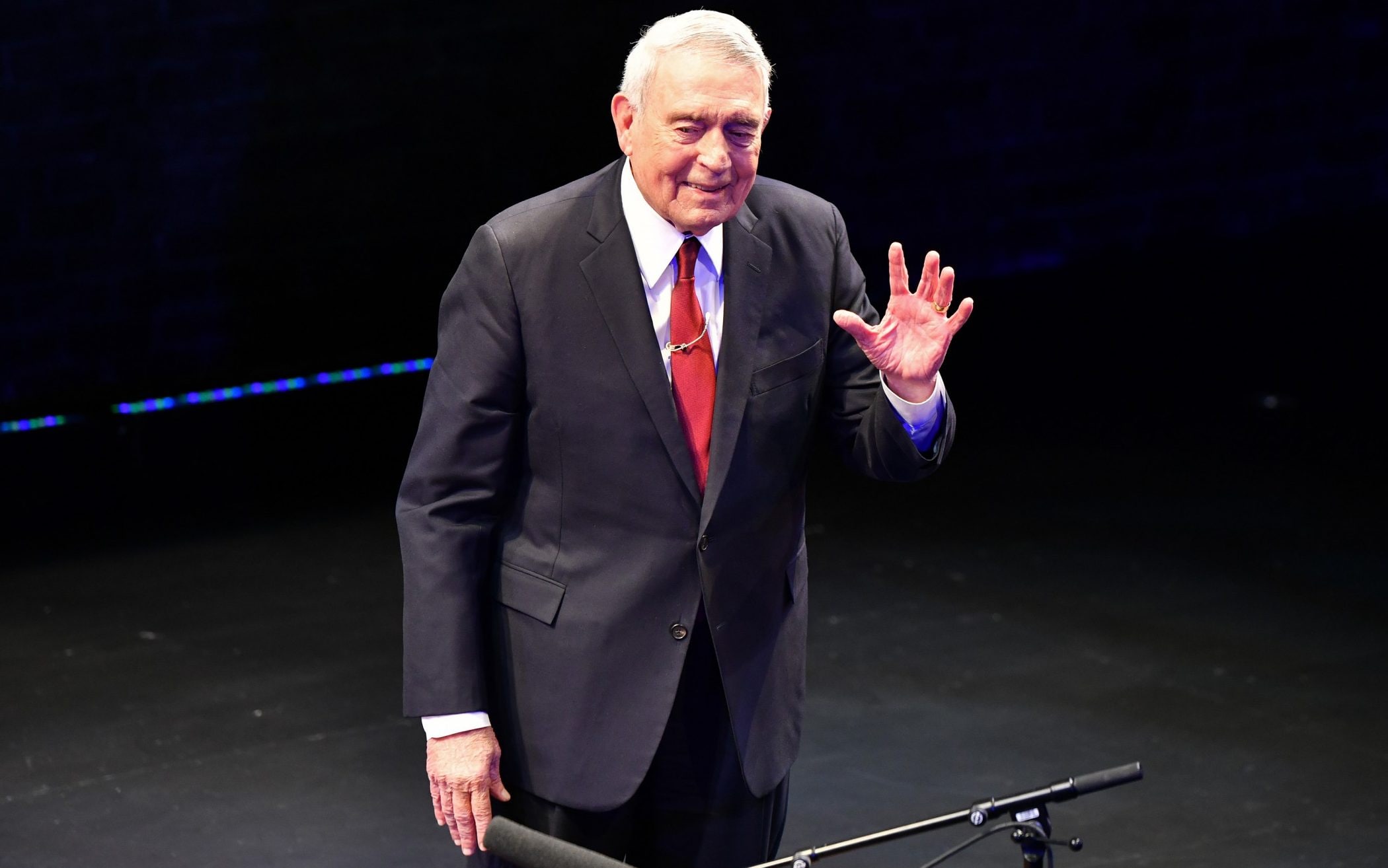
Dan Rather was the subject of the 2025 AI-generated biography – Truth and Tenacity: A Legacy of Fearless Reporting and Unshakable Integrity - Craig Barritt/Getty
It gets madder.
When Charlie Kirk was assassinated last September, books about the killing surfaced within hours, one promising details of the shooter’s arrest before any arrest had been made. It all happened so fast, readers suspected conspiracy.
Back home, AI has produced hilariously misinformed biographies of Scottish politicians. One soberly told readers that John Swinney was born in Ohio to a Polish mother called Kazimiera, another explained that Nicola Sturgeon’s mother had worked as “a nearby press flesher” (AI can produce deliciously mangled prose).
Worse still, AI books can be downright dangerous. During the pandemic, mushroom-hunting became unexpectedly popular. In time the machines noticed, and started churning out foraging guides – full of errors and aberrations. One advised that a good way to identify wild mushrooms was by tasting them.
And here is where we reach the truly vertiginous part: these fake books, increasingly, do not need readers, because the machines supply those too. Why? And how? Because Kindle Unlimited (Amazon’s ebook subscription service allowing you to “borrow” a set number of selected titles) pays its supposedly human authors from a fixed monthly pot according to “pages read” – currently a shade under half a cent per page.
This has resulted in “click farms” of artificial readers: banks of devices, with phantom Amazon accounts, that “read” by flipping pages at inhuman speed, draining the pot of money designed for flesh-and-blood authors.
The unreality of this bears repeating. Nobody writes these books. Nobody reads them. At no point does the text pass before a living pair of eyes, and if they do ever reach human minds, the human won’t know whether a human ever sat down to type the words being consumed.
You can see where this is going, and it isn’t pretty. The other day I had a go at asking AI to write a book, in a day. And yes, it did that easily. As I expected. But what troubled me was this: the book was actually quite good. Not Catch-22, not Wild Swans, not The Ice Twins by S K Tremayne, but probably better than my first novel.
In other words, the robot authors are improving daily, and they are coming for writers, and for readers, and I predict that in the end they will dominate literature almost completely. They will write novels as good as Ulysses; they will then write novels so good most people won’t understand how good they are (like Ulysses).
They will also do most journalism, biography, history, scholarship – anything – because they will be quicker, cheaper, funnier, cleverer. What will survive is, perhaps, prose no robot can ever do. Real memoirs, war-zone reportage, travel journalism. Niche stuff.
Perhaps there will be a small, expensive market for guaranteed human-authored fiction, the way we sometimes buy hand-made artisanal pottery, but get most of our crockery from Ikea. Made by machines.
All of which is rather melancholy, if you love books and writing and all that. On the other hand, slightly precious, self-regarding young men will, in future, be spared the total humiliation of getting royalty cheques for nought pounds, nought pence.
Source: “AOL Entertainment”
