


Grain, set and match: Wheat farmer turns to padel to survive
Grain, set and match: Wheat farmer turns to padel to survive

Samuel MontgomeryFri, July 17, 2026 at 9:53 AM UTC
0
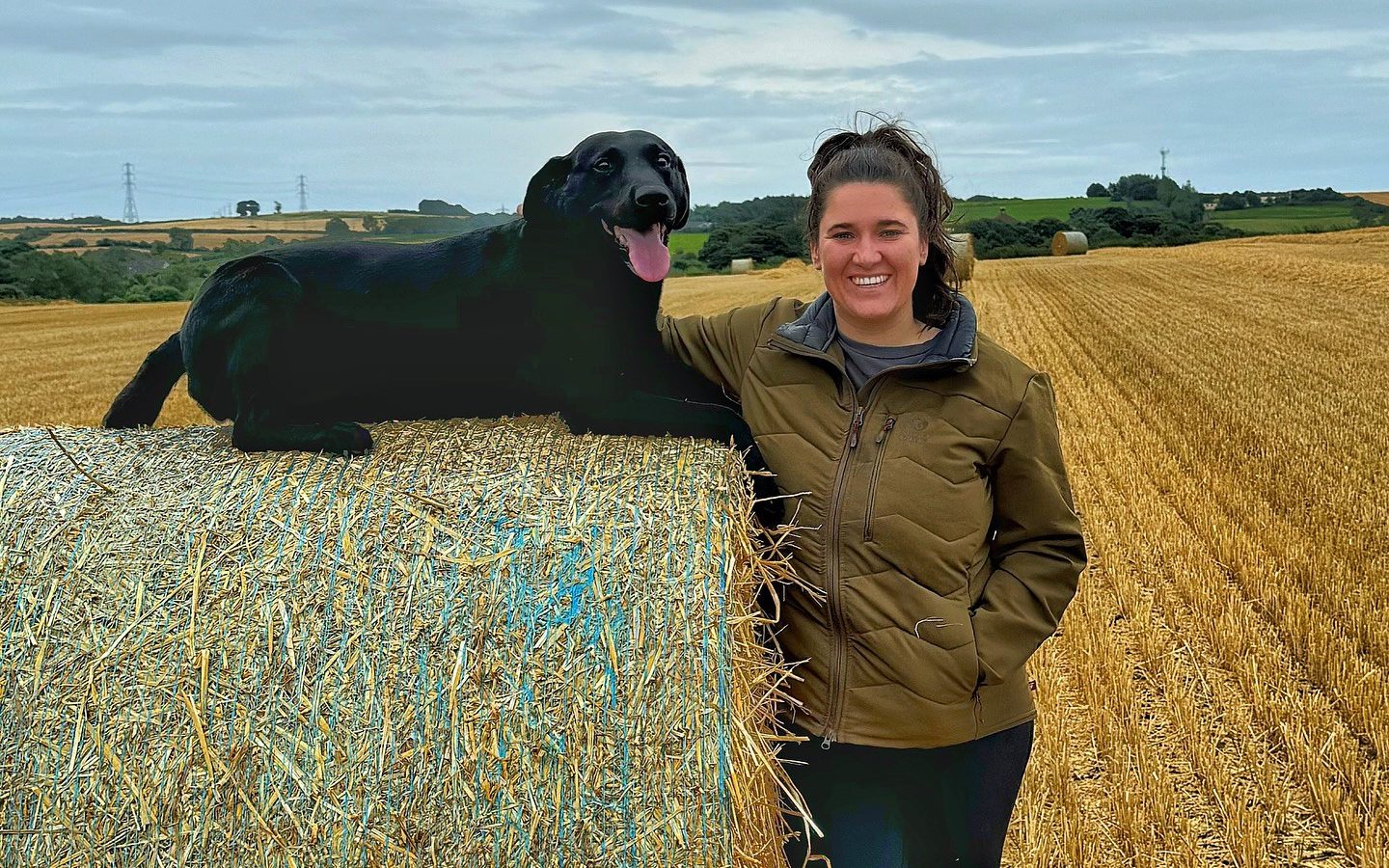
Tania Coxon’s income from contracted work has been hit by inheritance tax raids on other landowners
A fifth-generation arable farmer is turning to padel in an attempt to stay afloat.
Tania Coxon, who recently took over the family farm in Offerton near Sunderland, warned that diminishing returns on growing produce were driving farmers out of business.
Ms Coxon, 29, has applied for planning permission to build six indoor padel courts and a café on her land, in the hope that diversification would safeguard the farm’s future.
She told The Telegraph: “I want to grow as much food as I can, but the Government is making it very hard to do so. It is going to come and bite us in the a--- as we are going to have to import everything.”
Ms Coxon, whose farm grows wheat, barley and naked oats, said arable farmers had been battling rising costs and shrinking acreage, while the market price of wheat remained the same.

Tania Coxon, whose family arable farm is near Sunderland, hopes new padel courts in a grain store will help pay the bills
The Royal Agricultural College graduate also does contracted work maintaining land for other owners.
She said she had lost hundreds of acres of contracted land for various reasons, including farmers being hit with inheritance tax raids or selling up to housing developments or solar farms.
Ms Coxon, a keen sportswoman who played hockey for England while at Millfield School in London, took up padel 18 months ago, and saw an opportunity to turn her new hobby into a financial lifeline.
She said: “Farming has been something we have always done. It has never been amazing money but recently there is a lot more land going off elsewhere. There is not much we can do about it.”
Advertisement
She added that she had also lost 600 acres she had been managing for landowners because they had taken up the Government’s Sustainable Farming Initiative (SFI) and were doing less farming.

A logo for Tania Coxon’s new racquet sport business on her family farm near Sunderland
The scheme provides grants to farmers and land managers who deliver “public goods” such as healthier soils, biodiversity and climate benefits, rather than producing food. SFI replaced the EU’s basic payment scheme, which paid income support to all farmers without environmental requirements.
Ms Coxon said she had been trying to convince landowners to rotate their land between SFI and farming. She said: “It gives the ground a break, helps the top soil, but then we are still producing food. Our sustainability is going down as a country.”
Ms Coxon, who plans for her Penshaw Padel business – named after a nearby village – to have an in-house café with farm-grown produce, said she chose the sport because there was a “lack of supply in the area”, adding that nearby courts needed to be booked two or three weeks in advance.
She said she hoped the café would become a meeting place for the community.
She said: “I want to bring my love for farming, sport and events together. Since Covid, we have lost some sense of community. I want people to come and work in the café, to use it as a social scene.”

Ms Coxon protesting with other farmers in London against Labour’s inheritance tax reforms
Ms Coxon has applied to Sunderland city council to convert an area currently used to store farming equipment into padel courts.
She said the courts would be in a grain store, and if the project did not work out, it could be returned to that use.
The planning application has received letters of objection from residents fearing more traffic, while others have supported the plan to bring new community facilities to the area.
Source: “AOL Money”
